
Protecting Your Wine Starts with the Right Environment
When it comes to preserving the flavor, aroma, and value of wine, temperature and humidity control matter just as much as the winemaking process itself. A bottle of wine is a living product. It is delicate, reactive, and highly sensitive to environmental changes. Even small deviations in storage conditions can gradually degrade quality, shorten shelf life, or diminish the investment value of premium vintages. Whether you’re a wine collector, a restaurant owner, or manage a commercial wine cellar, maintaining the proper storage environment is essential. Let’s explore the science of optimal wine storage and why monitoring these conditions is vital.
Why Temperature and Humidity Matter
Wine matures continuously, even inside the bottle. Temperature swings accelerate chemical reactions that can spoil flavor profiles, while improper humidity can damage cork integrity and introduce oxidation. Without consistent environmental control, wines (especially high-value bottles) become vulnerable to premature aging or irreversible spoilage. Insurers know this well. That’s why many now require environmental monitoring for commercial wine storage, and some offer lower premiums when reliable temperature and humidity controls are in place.
55°F: The Gold Standard for Wine Storage
Most wine professionals agree that 55°F (12–13°C) is the ideal storage temperature. It’s cool enough to slow aging, but warm enough to allow complex flavors to develop naturally over time.
Why 55°F works:
Consistency: Wine dislikes rapid temperature changes. A stable environment at 55°F minimizes expansion and contraction inside the bottle.
Longevity: Lower temperatures slow oxidation and preserve both aroma and character.
Universality: From bold reds to bright whites, nearly all wines benefit from this controlled midpoint.
Do Red and White Wines Need Different Storage Temperatures?
Surprisingly, no.
While red and white wines are served at different temperatures, they can and should be stored at the same temperature.
Long-term storage is identical for both types:
Temperature: ~55°F
Humidity: 60–70%
Light: low to no UV exposure
Vibration: none
Both red and white wines share similar aging chemistry and rely on cork moisture to prevent oxidation. That means the same environment protects them equally well.
What does differ is serving temperature:
Full-bodied reds: 60-65°F
Light reds: 55-60°F
Full-bodied whites: 50–55°F
Crisp whites: 45–50°F
Sparkling wines: 40–45°F
But serving temperature only matters at the moment of consumption.
For long-term storage, 55°F is the ideal benchmark for all wines, eliminating the need for separate storage zones in most cellars.
Below 45°F: Too Cold for Proper Aging
Colder temperatures won’t outright damage wine, but they slow maturation excessively. Extended storage near freezing can disturb sediment, mute aromatics, or push corks inward. At 32°F, expanding wine can force corks out completely, ruining both the bottle and potentially those stored alongside it.
Above 65°F: The Danger Zone
Storage temperatures above 65°F age wine prematurely. At 70°F and higher, chemical reactions accelerate dramatically, causing:
– Dull or muted aromas
– Cooked or stewed flavors
– Loss of acidity and freshness
– Premature oxidation
Even brief temperature spikes accumulate into permanent quality loss over time.
Humidity: The Forgotten Hero of Wine Preservation
Temperature may receive the most attention, but humidity plays an equally critical role, especially for cork-sealed bottles. The ideal humidity range is 60–70%.
Why humidity matters:
-Too low (<50%) dries corks, letting oxygen seep in.
-Too high (>75%) promotes mold that can damage labels and packaging.
Maintaining proper humidity protects cork elasticity and preserves long-term bottle value, especially for collectible wines.
Monitor Your Cellar Like a Pro with Capti
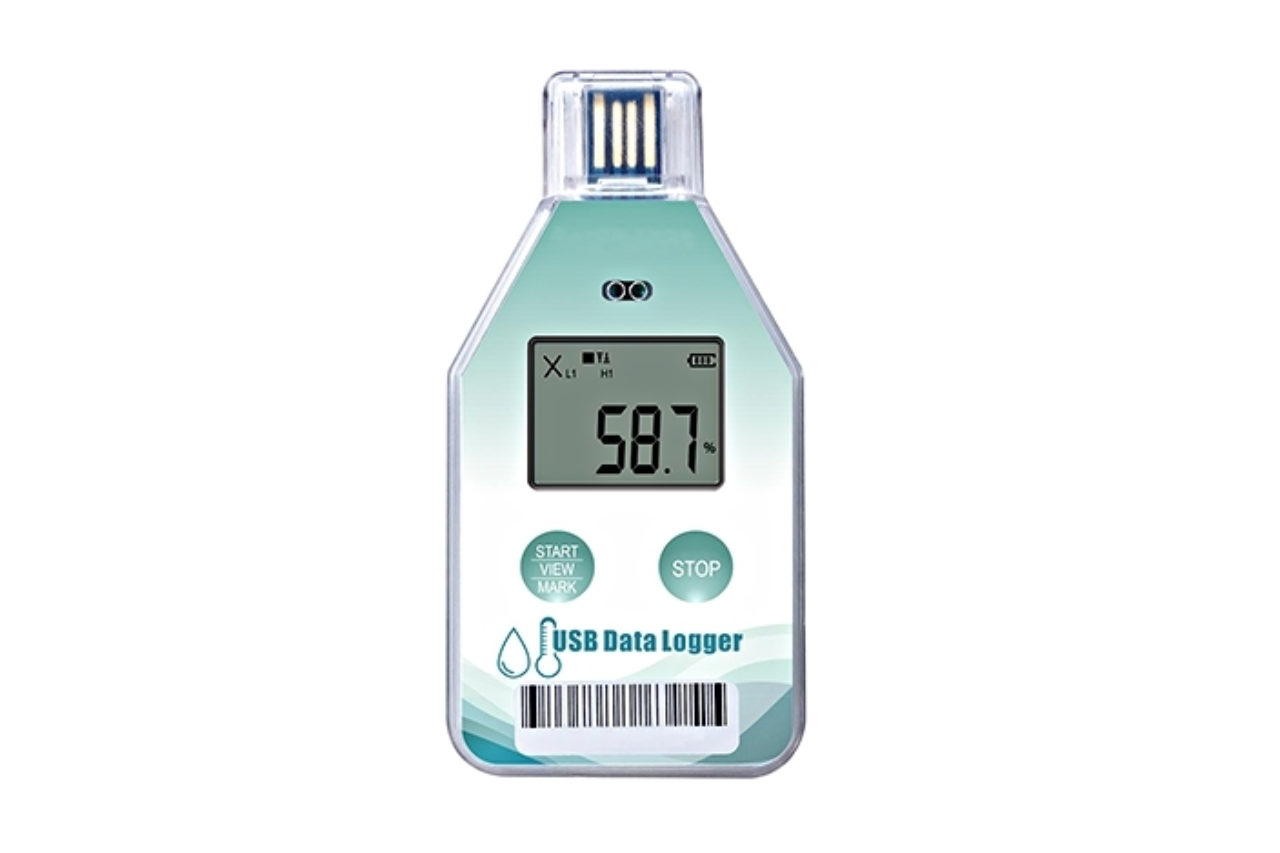
Perfect storage conditions don’t happen by accident. They require vigilance and the right tools. With Capti’s temperature and humidity monitoring solution, you get real-time visibility into your wine storage environment. Whether you manage a personal wine cellar, a restaurant wine program, a commercial storage facility, or a distribution network in the wine supply chain, Capti ensures you never miss a critical temperature or humidity deviation
Capti helps you:
– Detect temperature spikes before they cause damage
– Maintain ideal humidity levels to protect corks and labels
– Document compliance for insurers (often lowering premiums)
– Prevent oxidation, mold, and premature aging
– Safeguard the real value of wine collections and inventories
Capti ensures every bottle ages exactly as the winemaker intended.
Ready to safeguard every bottle in your collection?
From maintaining ideal cellar conditions to ensuring compliance and preventing spoilage, Capti gives you the control and confidence you need for proper wine preservation.
Explore Capti’s monitoring solution today and elevate your wine storage to the highest standard.